
After establishment, these woody plants suit your climate, handle your soil, and need far less pruning, watering, and fertilizer. A boxwood clipped once a year and a juniper left to grow naturally can both be good choices, but only in the right location.
This article covers hardy landscape shrubs for year-round structure, seasonal color, low-water beds, and the plants worth skipping in hard-to-fit yards.
Hardiness Comes Before Ornament
Cold tolerance decides a lot before flowers even enter the picture. The USDA Plant Hardiness Zone Map groups plants by winter lows, so that number should guide the first purchase.
Soil drainage matters just as much. Roots sitting in wet soil lose oxygen, which opens the door to root rot, weak growth, and a shrub that never really settles in.
Match the climate before the color
Hardy landscape shrubs earn their keep by surviving the worst week of the year, not by looking good in a nursery pot. A plant that fits your zone can put energy into roots instead of repair, which lowers water and fertilizer needs later.
That’s why a shrub can look fussy on paper and still be easy in the ground. The RHS and Missouri Botanical Garden both treat zone fit and site fit as the real filters, because cold hardiness and moisture tolerance drive survival more than flower size.
Drainage beats rich soil in most yards
Well-drained ground gives roots air, and air keeps feeder roots active. Heavy clay that stays soggy after rain does the opposite, especially for broadleaf evergreens and shrubs with dense root balls.
A 2 to 3 inch mulch layer helps hold moisture without sealing the soil surface. That small buffer matters in full sun, where the top few inches dry fast and the plant can stall between soakings.
Fit lowers work over time
The right shrub asks less of you because it spends less energy fighting its setting. Pruning stays light, watering stays on a calmer schedule, and fertilizer becomes a correction rather than a routine.
Juniper shows the point well. In a dry, sunny bed with open soil, it can settle in with little fuss. Put the same plant in a wet hollow, and your maintenance calendar grows fast. That site match leads straight into shrubs that keep the yard finished all year.
That kind of site fit naturally points toward shrubs that keep structure without asking for much back.
Evergreens That Hold The Line All Year
Once the site is right, winter becomes the next test. Evergreen shrubs keep shape, color, and screening through every month, which is why they anchor many front yards and foundation plantings.
That steady framework matters near porches, sidewalks, and windows. You get a backdrop that hides utility boxes, softens a wall, and keeps the yard from looking bare after leaf drop.
Foundation plantings with quiet structure
Boxwood stays popular because it clips cleanly and keeps a tidy outline near entries. A slow-growing dwarf form gives you formality without a constant trimming schedule, especially in partial shade and well-drained soil.
Yew works in colder regions and can handle deeper shade than many shrubs, which makes it useful under tall trees or along north-facing walls. The benefit is simple: steady evergreen foliage that doesn’t need weekly correction.
Screening that does not collapse in winter
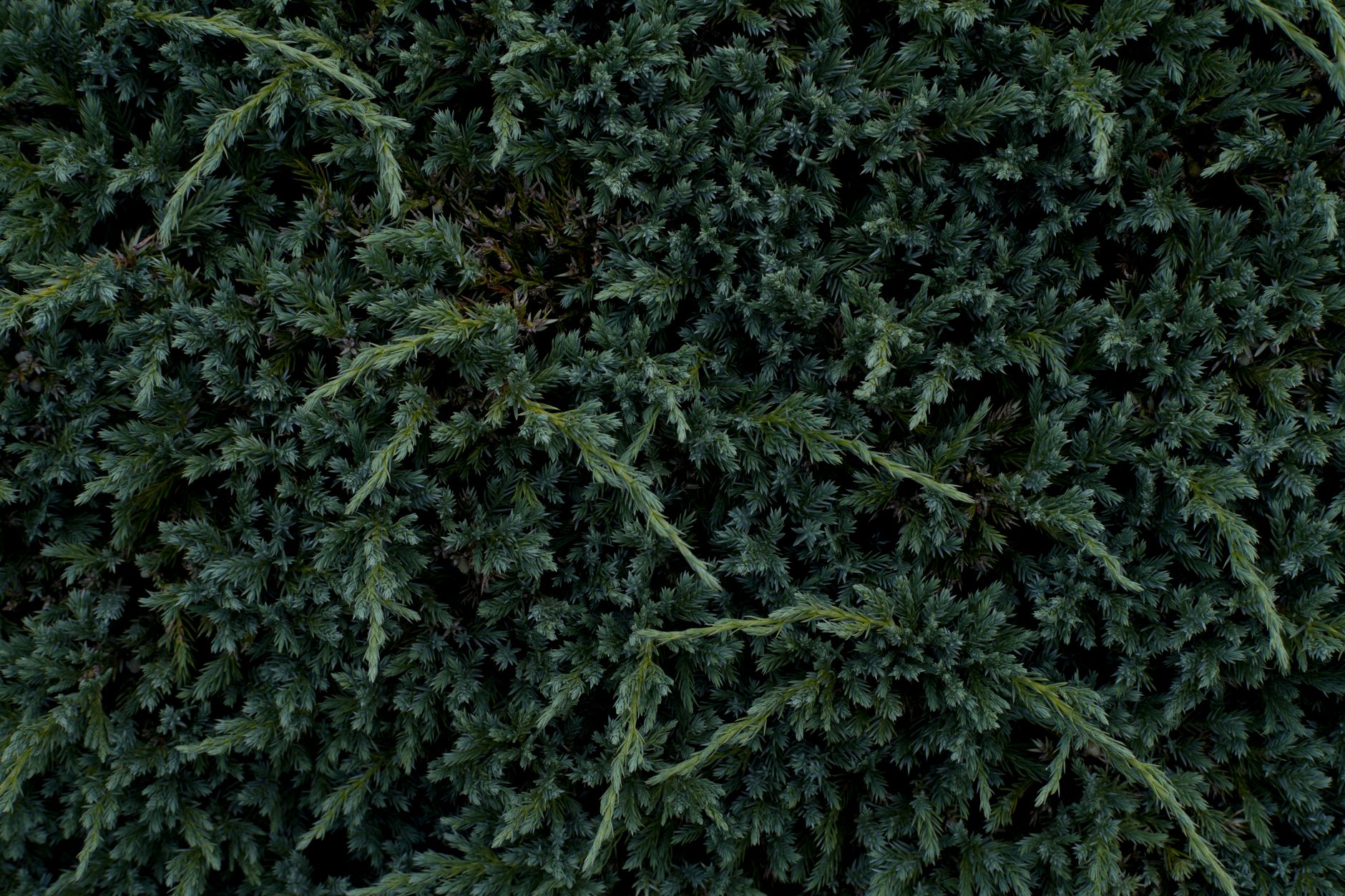
Juniper gives you screening with a dry-site temperament, and many cultivars hold their shape with very little pruning. Arbor Day Foundation planting notes often highlight that kind of tolerance because it keeps privacy from thinning out in January.
Skip the urge to crowd evergreens for fast coverage. Proper spacing lets light move through the canopy, which lowers needle drop, reduces disease pressure, and keeps the hedge from turning into a chore.
Place screening shrubs far enough apart for mature width, not nursery size. Crowded branches trap moisture, and trapped moisture invites fungal trouble in dense plantings.
What people want in year-round bushes
Most homeowners want a plant that looks finished in every season, not a specimen that peaks for three weeks. Evergreen shrubs for year-round interest supply shape, texture, and a sense of order when perennials die back.
Deer resistance also matters in many suburbs and edge-of-woods lots. Japanese holly, inkberry holly, and some junipers can fit that role better than soft new growth shrubs that deer clip to sticks. Once that base layer is set, seasonal shrubs can do more expressive work.
When the backbone is steady, foliage plants can earn their keep with color, texture, and timing.
Deciduous Shrubs With Real Seasonal Payoff

Leaf drop isn’t a failure. For many shrubs, it’s the trade you make for flowers, berries, or strong fall color that evergreen plants can’t match.
That payoff can carry a whole side yard. Ornamental shrubs for the yard add movement and color in spring and autumn, then rest through winter without demanding much more than a clean-up prune.
Flowering shrubs that earn their space
Hydrangea is a good example in partial shade. A panicle type handles more sun and a steadier soil pattern than a bigleaf type, while older stems may need a light thinning to keep the plant open and upright.
Spirea, ninebark, and forsythia also bring bloom with modest care, though each wants a different touch. Spirea stays neat with a simple cutback after flowering, while ninebark can handle a harder renewal prune every few years.
Berries and fall color add depth
Viburnum, chokeberry, and serviceberry layer in fruit and seasonal color that carry the bed after flowers fade. Birds use those berries, and your yard keeps interest without extra ornament.
These shrubs still deserve occasional pruning to remove dead or crossing branches. That work keeps light moving through the plant and stops the inner wood from turning crowded and weak.
Prune right after bloom on spring flowering shrubs. That timing protects next year’s flower buds and keeps the plant from carrying dead twigs into the growing season.
Seasonal shrubs work best with space
Wide spacing matters here too, because these shrubs tend to spread into layered shapes rather than tight balls. Give them room, and you spend less time shearing them into a box that fights their natural form.
That’s the difference between a plant that decorates the yard and a plant that runs it. The next question is how far you can push the water schedule without losing that effect.
A plant that looks good on less water has to prove it through more than one season.
Drought-Tolerant Choices For Leaner Watering
Hot, dry yards call for shrubs that can ride out long stretches between soakings. Drought tolerant shrubs fit xeriscape designs, slopes, and curb strips where sprinkler coverage is weak or inconsistent.
Lower water use also means lower upkeep over time. A plant that stays healthy in lean conditions keeps its leaves, holds shape, and asks for less rescue care during heat spikes.
Dry-site shrubs that earn their keep
Juniper thrives in full sun and lean soil, which makes it useful in exposed beds and foundation strips. Many cultivars stay compact, while larger forms can anchor a screen where irrigation is limited.
Russian sage isn’t a shrub in the strict sense, but drought-tolerant landscape design often treats shrubby perennials and woody bushes together. Among true shrubs, smoke bush, butterfly bush in warmer zones, and caryopteris can supply color with a light hand on watering.
Proper spacing reduces trouble
Plants set too close together fight for moisture at the root zone. That stress shows up as weak growth, more leaf scorch, and a denser canopy that dries slowly after rain.
Proper spacing also cuts disease pressure, because air moves through the branches instead of lingering inside the shrub. In a dry climate, that can be the difference between a clean hedge and one that needs constant thinning.
Mulch and soil shape the water bill
A shallow basin around each shrub helps direct water to the roots instead of letting it run across the bed. A 2 to 3 inch mulch ring then slows evaporation and softens heat around the root crown.
That method matters more than a heavy feeding schedule. In dry gardens, extra fertilizer can push soft growth that wilts fast, while steady moisture and open soil build a tougher plant. Once watering is under control, the next mistake is choosing the wrong shrub in the first place.
Even drought tolerance fails if the shrub simply hates the conditions it’s given.
Shrubs That Belong In The Wrong Yard Nowhere

Some bushes ask for constant correction because they fight the site from day one. A shrub that outgrows the bed, sulks in wet soil, or catches pests every season will cost more time than it’s worth.
That’s why hardiness isn’t only about winter lows. Size, drainage, pest pressure, and growth habit all shape how much care a plant demands over the years.
Plants That Outgrow Small Spaces
Fast growers can fill a gap quickly, then swallow walks, windows, and nearby perennials. Lilac, for example, can be lovely in the right space, but in a tight foundation bed it becomes a pruning job with legs.
Forsythia, older viburnums, and some hydrangeas can do the same thing in small yards. A shrub that needs shearing every few weeks isn’t low maintenance, even if the label sounds friendly in the nursery.
Plants That Struggle In Wet Ground
Azalea and rhododendron want acid soil with sharp drainage, so a heavy clay corner can turn them sparse and weak. Root problems show up fast there because fine feeder roots fail long before the top growth looks bad.
Gardenia and some broadleaf evergreens carry the same risk in colder or wetter sites. The plant may survive for a while, but the care cycle gets ugly once leaves yellow and branch tips die back.
Plants That Bring Constant Pest Or Disease Pressure
Boxwood can face blight and leafminer issues in humid regions, so the site and cultivar matter. Yews can look elegant in shade, yet dense plantings with poor air flow invite stress that starts at the interior needles.
That doesn’t mean the plant is wrong everywhere. It means the yard has to suit the shrub, or you inherit a pattern of pruning, cleanup, and replacement that never really ends.
- Skip oversized growers: They force repeated cutting in spaces that need a calmer habit.
- Avoid wet-soil mismatches: Root failure starts below ground long before the canopy shows stress.
- Watch pest histories: Shrubs with repeat blight or insect trouble demand more attention than they deserve.
- Respect mature width: Nursery tags show size at purchase, not the footprint after five seasons.
That short list leads to the practical part: choosing shrubs by job, not by label language or impulse.
With the wrong match out of the way, the focus shifts to shrubs that can work hard in a hedge.
A Short List For Low-Effort Hedging
Front borders, foundation beds, privacy screens, and low hedges all ask for different plant habits. The easiest choices are the ones that match the job and keep the design uncluttered.
Low maintenance shrubs work best when each plant has one clear role. A screen should screen, a hedge should edge, and a specimen should stay interesting without pulling the whole bed out of balance.
| Use | Good Fit | Why It Works |
|---|---|---|
| Front-yard border | Dwarf boxwood, inkberry holly | Neat shape, slow growth, clean lines near paths |
| Foundation planting | Juniper, compact yew, dwarf hydrangea | Stable size with less pruning near walls and windows |
| Privacy screen | Arborvitae, juniper, viburnum | Height, density, and usable screening through the seasons |
| Low hedge | Boxwood, spirea, ninebark | Tidy edge with either evergreen structure or seasonal bloom |
Pick By Job, Not By Category
Evergreen shrubs fit privacy and structure because they hold shape in January as well as July. Deciduous shrubs fit color and texture because flowers, berries, and fall foliage can do more visual work than a clipped wall of green.
That split matters in real yards. A boxwood hedge can frame a walk, while a viburnum row can soften a fence line and bring birds into the scene. Both can be low maintenance shrubs, but only in the right slot.
Keep The Design Clean
Fewer plant types make care easier. A bed with two or three shrub forms is simpler to prune, simpler to mulch, and simpler to keep in scale than a crowded mix of mismatched bushes.
That plain rule solves most lazy-gardener problems: choose what fits the site, leave room for mature size, and avoid clutter that turns into trimming duty. The yard stays calmer, and so do you.
Practical choices matter most when the goal is less maintenance and a cleaner, easier landscape.
What To Remember
The easiest shrub is the one that already suits your climate, drainage, and space. When you match those three things, pruning drops, watering eases, and fertilizer becomes a small adjustment instead of a rescue plan. A clean design with the right evergreen or flowering shrub will carry your yard with less work all year.
FAQ
What is the hardiest shrub?
A shrub survives the harshest winters when its cold zone and soil match the site, not when it has the loudest label. Juniper, some viburnums, and certain yews handle cold well in many US regions, but local drainage and sun exposure still decide how well they settle in.
What shrubs should I avoid planting in my yard?
Avoid shrubs that outgrow the bed, fail in wet soil, or bring repeat pest and disease trouble in your region. Any plant that needs constant shearing to stay presentable is a poor fit for low-maintenance planting.
What bushes look good all year round?
Evergreen shrubs such as boxwood, juniper, holly, and some yews hold their shape through winter and give the yard steady structure. They keep beds from looking empty after leaf drop, which is why they work well near entries and foundations.
What is the best outdoor plant for lazy people?
The best choice is a plant that fits your site with little correction, and that often points to a slow-growing evergreen or a drought tolerant shrub. A dwarf boxwood in part shade or a juniper in full sun can stay tidy with very little attention.
Which low maintenance shrubs grow well in full sun?
Juniper, spirea, ninebark, panicle hydrangea, and some caryopteris types do well in full sun when the soil drains well. Give each one room to mature, and you cut down on pruning and watering later.
Which shrubs stay attractive with little pruning?
Boxwood, inkberry holly, compact juniper, and many dwarf viburnums keep a good outline with minimal cuts. A light removal of dead or crossing branches is still wise, but the plant keeps its form without heavy shaping.