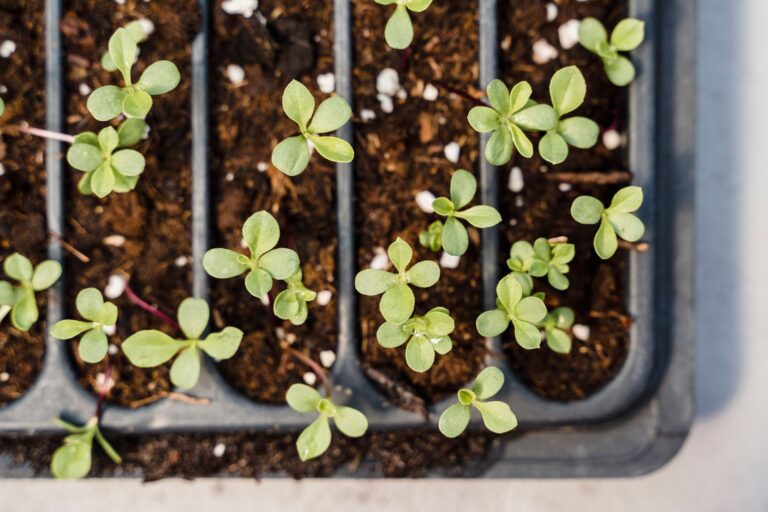
Healthy vegetable beds start with the right ground mix, and the wrong one can leave you watering too often or watching seedlings stall out. You’ll see the biggest difference in raised beds, patio containers, and in-ground plots where drainage, texture, and nutrient support all matter. This roundup keeps the focus on practical soil choices for everyday gardening, from herbs on a balcony to tomatoes in a full-size bed.
Quick Look At The Shortlist

Miracle-Gro Organic Indoor Potting Mix 16 qt

Back to the Roots Organic Worm Castings 5lb

Miracle-Gro Potting Mix 8 qt 3-Pack

Doter Organic Potting Soil Mix 1 qt

Coast of Maine Organic Natural Planting Soil for Vegetables Tomatoes 20 Qt

Organic Potting Soil Mix for Indoor Plants Herb Gardens 1qt

Scotts Organic Group 0.75 cu.ft. Proom Top Soil

Espoma Organic Vegetable Flower Garden Soil 1 Cubic Foot Bag

Espoma Organic Vegetable Flower Garden Soil 1 Cubic Foot Bag Two Pack

Espoma Organic Raised Bed Mix 1.5 Cubic Foot Bag
More Details On Our Top Picks
Indoor gardeners usually care about two things first, water control and clean handling, and this 16-quart mix leans into both. The organic blend is aimed at container plants, houseplants, and starter plants, so it suits shelves, windowsills, and apartment setups where mess matters.
Compared with the looser garden-bed blends later in this list, this one is built for pots rather than open soil. That makes it a sensible match for herbs on a kitchen ledge or young plants that need steadier moisture around the roots.
Strong Points
- Organic formula fits indoor container growing.
- Water-management focus helps cut down on uneven pot moisture.
- 16-quart size works well for several medium pots.
- Useful for seedlings moving into their first containers.
Things To Consider
- Indoor potting mix is less suited to in-ground beds.
- Smaller bag size means repeat purchases for bigger container gardens.
- Container use asks for regular watering checks, especially near warm windows.
Feature Snapshot
Who It Suits Best
Apartment gardeners and indoor plant keepers get the most from this mix, especially around herbs, seedlings, and compact decorative pots.
Where A Sibling Pick Shines
Miracle-Gro Potting Mix 8 qt 3-Pack suits you better for mixed container plantings that need a longer feeding window and a bit more volume.
Worm castings sit in a different lane from potting soil, because they work as a soil booster rather than a full growing medium. That makes this 5-pound bag a smart add-on for home gardeners who want to refresh tired beds, top-dress containers, or mix extra organic matter into planting rows.
Compared with Miracle-Gro Organic Indoor Potting Mix, this one is less about structure and more about feeding and soil texture. The made-in-the-USA note may matter to some shoppers, though the bigger appeal is how easy castings are to blend into existing soil without changing the whole setup.
Highlights
- Works as a soil amendment, not just a standalone filler.
- Helpful for garden beds that need a gentler refresh.
- 5-pound bag is easy to store and portion out.
- Useful around vegetables, herbs, and potted plants.
Room For Improvement
- It does not replace a full potting or planting mix.
- You’ll need to measure the amount you blend in.
- Best results depend on the soil already in place.
Core Details
Made For
Home gardeners who already have decent soil and want to improve it a little at a time will get the most value here.
Another Choice May Suit
Coast of Maine Organic Natural Planting Soil for Vegetables Tomatoes fits better for shoppers starting a bed from scratch and wanting a full planting mix instead of an additive.
This three-pack moves into broader container duty, since the mix is meant for flowers, vegetables, shrubs, annuals, and perennials. The stated feed window of up to 6 months gives you a little breathing room, which matters for porch planters and patio beds that you don’t want to revisit every week.
Compared with the indoor-only Miracle-Gro mix, this one fits outdoor containers more naturally. It also gives you more coverage at once, so it makes sense for gardeners juggling several pots rather than just one or two.
Best Bits
- Covers a wide mix of container-grown plants.
- Up to 6 months of feed helps simplify routine care.
- Three bags suit larger patio or deck setups.
- Good match for mixed-season containers.
Worth Noting
- Outdoor container use is the better fit than open beds.
- Bulkier pack format takes more storage room.
- Longer feeding still depends on watering and plant load.
Details At A Glance
Right Fit For
Patio gardeners and container growers who want a broad-coverage mix for several plant types will make the most of this pack.
Look Elsewhere When
Espoma Organic Raised Bed Mix suits you better for raised beds and larger in-ground-style vegetable setups.
Small pots need a soil that’s easy to handle, and this 1-quart bag is built for that kind of quick job. It fits indoor and outdoor small containers, including herbs, vegetables, and flowers, so you can keep a few planters going without opening a huge bag and storing leftovers for months.
Compared with the 3-pack Miracle-Gro mix, this one is much more about convenience than volume. That makes it a clean fit for windowsill herbs, balcony pots, and anyone refreshing a couple of containers at a time.
Upsides
- Very manageable size for small container jobs.
- Works across herbs, vegetables, and flowers.
- Indoor and outdoor use adds flexibility.
- Handy for quick refreshes without waste.
Minor Gripes
- 1-quart format runs out quickly in bigger setups.
- Frequent small purchases can be less convenient for larger gardens.
- Best suited to light-duty pot work rather than major bed fills.
Quick Facts
Whose Shelf It Belongs On
You’ll appreciate this most for herb pots, starter planters, and a few quick repotting jobs where convenience matters more than volume.
Where A Sibling Pick Shines
Omitgoter Organic Potting Soil Mix for Indoor Plants Herb Gardens suits better for indoor herb setups that need a little more all-purpose coverage.
Tomatoes and vegetable beds tend to reward a soil that drains well without feeling too thin, and this mix is aimed squarely at that job. The blend includes composted manure and sphagnum peat moss, which signals a richer planting base for ground beds and containers that need more substance.
Compared with the lighter indoor mixes earlier in the list, this one feels better suited to outdoor planting from the start. The enhanced drainage note matters too, because wet roots can become a headache in heavier garden soil or crowded containers.
Bright Spots
- Designed specifically for vegetables and tomatoes.
- Composted manure adds a more fertile-feeling blend.
- Sphagnum peat moss helps support moisture balance.
- Works for both ground planting and containers.
- 20-quart bag gives good coverage for a modest bed.
Areas To Watch
- Richer mixes can feel heavier to move and store.
- Outdoor use means your watering habits still matter.
- Veggie-focused soil may be more than you need for simple decorative pots.
Spec Overview
Best Suited To
Vegetable gardeners who want a richer planting mix for tomatoes, beds, and container edibles will likely get the most from this one.
Swap It Out When
Scotts Organic Group 0.75 cu.ft. Proom Top Soil fits better for leveling and filling lawn or garden dips rather than feeding vegetable plantings.
This one sticks to the basics, which helps in tight spaces where you only need a small batch of potting mix. The 1-quart size and all-purpose nutrient-rich positioning make it handy for indoor plants and herb gardens without leaving you with a bulky bag in the closet.
Compared with Doter’s small-container soil, this option leans a little more toward simple indoor herb care than mixed indoor-outdoor use. That sort of focus can be useful on a kitchen shelf or plant stand where you only want enough mix for the next repotting job.
Reasons To Buy
- Compact 1-quart size is easy to store.
- Fits indoor plants and herb gardens naturally.
- All-purpose profile keeps it flexible for small jobs.
- Nutrient-rich blend suits routine pot refreshes.
Softer Spots
- Small size limits value for larger planters.
- More of a niche indoor choice than a full garden fill.
- You may need several bags for multiple herbs.
Feature Card
The Right Fit
Small-space gardeners who want a tidy bag for herbs or a quick indoor repotting task are the strongest match here.
Where Another Pick Suits Better
Miracle-Gro Organic Indoor Potting Mix 16 qt works better for shoppers who need a larger indoor container supply with more room to work.
Top soil plays a different role from planting mixes, because it’s usually the fill and level material rather than the main growing medium. This Scotts blend is described as a lighter organic mix than ordinary heavy topsoil, which makes it more practical for patching low spots and smoothing out areas in the lawn or garden.
Compared with Coast of Maine’s richer vegetable soil, this pick is more about surface repair and volume work. That lighter feel may help in yards where you need to fill holes without dragging a dense, stubborn load across the property.
Standout Traits
- Lighter blend is easier to handle than heavy topsoil.
- Useful for leveling and filling yard depressions.
- Organic materials and peat moss support a more workable mix.
- Good for basic lawn and garden repair jobs.
Small Caveats
- Top soil is not the same as a planting mix.
- Best for fill work, not nutrient-heavy crop beds.
- Large-area repairs still call for more than one bag.
Key Specs
Built With In Mind
You’ll get the most from this soil on lawn repair days, border touch-ups, and basic garden leveling tasks.
A Better Fit Elsewhere
Espoma Organic Raised Bed Mix suits you better for planting vegetables or herbs in raised beds, where root support matters more than simple fill.
Espoma’s in-ground mix is aimed at planting and transplanting, so it makes more sense for beds than for decorative pots. The 1-cubic-foot bag gives you a solid amount to work with, which is helpful when you’re building a new vegetable row or resetting a flower bed that needs fresher soil around the roots.
Compared with Scotts top soil, this pick is more about helping plants take root than simply filling space. That makes it a stronger fit for gardeners who want an organic-minded planting medium instead of a general-purpose surface fill.
Positives
- Designed for planting and transplanting tasks.
- Works well in garden beds with existing native soil.
- 1-cubic-foot bag gives practical coverage.
- Vegetables and flowers both fit the use case.
Points To Note
- In-ground use is the main strength here.
- Less suited to tiny indoor pots.
- For larger beds, you may need several bags.
Core Details
Who Should Grab It
Gardeners planting vegetables or flowers directly into beds will find this mix easier to match than a potting blend.
Reach For A Different Pick When
Back to the Roots Organic Worm Castings 5lb works better for people who already have soil in place and want a booster instead of a full planting mix.
This two-pack keeps the same in-ground planting focus as the single-bag Espoma soil, but it gives you more coverage for bigger planting plans. The rich blend of natural and organic ingredients includes earthworm castings, and that detail matters when you want a bed mix that feels more complete than a simple fill product.
Compared with the single-bag version, this one makes more sense for wider beds or multiple transplanting jobs. The need to mix it with native soil is part of the process, not a drawback, because that’s how many garden beds get their best structure.
Best Bits
- Two-bag format supports larger projects.
- Earthworm castings add a more finished soil blend.
- Designed for planting and transplanting in the garden.
- Mixes with native soil for bed improvements.
Honest Caveats
- Works best when blended into existing garden soil.
- Bulkier format takes more storage room.
- Better for beds than compact containers.
Feature Rundown
Who Will Love This
You’ll like this most for medium-to-large bed projects where you want more soil on hand before planting season starts.
Skip It When
Doter Organic Potting Soil Mix 1 qt suits you better for tiny container jobs where a small, tidy bag makes more sense.
Raised beds ask for a soil that can hold structure while still giving roots room to move, and this Espoma mix is built for that job. It’s also labeled for outdoor containers, so you can use it across herb planters, vegetable beds, and larger patio setups without juggling several different bags.
Compared with the in-ground Espoma blend just above, this one feels more targeted for elevated growing spaces. That makes it a strong match for gardeners who want a single mix that can cover raised beds and some container work without drifting too far into general-purpose territory.
Standout Traits
- Built for raised beds and outdoor containers.
- Works nicely for vegetables and herbs.
- Large 1.5-cubic-foot bag gives strong coverage.
- Good fit for gardeners with multiple elevated planters.
Areas To Watch
- Large bag size takes more storage space.
- Raised-bed focus makes it less necessary for tiny pots.
- Moving a fuller bag can be awkward in tight spaces.
Feature Rundown
Whose Shelf It Belongs On
Raised-bed gardeners and patio growers who want one practical mix for edibles and herbs should feel right at home with this bag.
Another Choice May Suit
Miracle-Gro Potting Mix 8 qt 3-Pack works better for mixed containers where you want more frequent container turnover and a different feeding style.
How To Choose The Right Dirts For Vegetable Garden
Match The Soil To The Growing Space
Vegetable beds, raised beds, and containers need different textures. Potting mix is lighter and better for containers, while in-ground planting soil is built to blend into existing earth and support root growth where the soil already sits.
That difference matters because containers drain faster and dry out sooner, while garden beds can hold more moisture and structure. You’ll save time and frustration by matching the mix to the space instead of forcing one bag to do every job.
Look Closely At Drainage And Texture
Drainage means how easily water moves through the mix. A soil that stays soggy can slow root development, while one that drains too fast can leave seedlings thirsty before you notice.
For vegetables, a loamy texture usually gives the best balance. Loamy means a mix of sand, silt, and organic matter, and it usually feels crumbly rather than dense or dusty.
Pay Attention To Bag Size And Coverage
Small 1-quart bags fit herbs and quick repotting jobs, while 1-cubic-foot bags make more sense for beds and larger transplants. Bigger bags are better value for larger projects, but they take more storage space and can be awkward to move.
For balcony gardeners, compact packaging can be the easier path. For backyard growers, larger bags usually save repeated store runs and keep the planting rhythm smoother.
Decide Whether You Need A Mix Or An Amendment
Some products here are full planting soils, while worm castings are a soil amendment. An amendment changes or improves what you already have, but it does not replace the base soil on its own.
That matters in real gardens because a tired bed may need a booster, while a fresh raised bed needs a complete medium. The right choice depends on whether you’re feeding existing soil or building a new growing space from scratch.
Things Worth Knowing First
Mistakes Worth Dodging
A common slip is buying potting mix for an in-ground bed, or top soil for containers. That mismatch usually leads to uneven watering and weaker plant performance, especially with vegetables that expect steady root conditions.
Another easy miss is ignoring how much space the bag covers. A tiny bag is fine for herbs, but it becomes a headache for larger beds that need real volume.
When Paying More Pays Off
Higher-tier soil usually costs more because of ingredient quality, added organic matter, and more targeted use cases. Mixes with composted manure, peat moss, or worm castings often give roots a steadier home than plain fill soil.
The upgrade makes sense for tomato beds, raised beds, and gardeners who want fewer compromises in structure and moisture handling. For a few small pots, a simpler bag usually does the job without extra expense.
Frequently Asked Questions
What kind of soil works best for vegetable beds?
A planting mix or raised bed mix usually fits vegetables better than plain top soil. The better choice depends on whether you’re planting in containers, raised beds, or directly in the ground.
Can you use potting mix in a garden bed?
You can, but it’s usually designed for containers rather than open soil. For in-ground beds, a planting soil or bed mix usually gives you a better fit.
What does worm castings add to soil?
Worm castings are a soil amendment that helps enrich what you already have. They’re useful when you want to improve existing soil instead of replacing it.
Is top soil good for vegetables?
Top soil is better for fill, leveling, and patching low spots than for feeding crops. For vegetables, a planting mix or raised bed blend usually makes more sense.
How do you choose bag size for a vegetable project?
Match the bag size to your planting area and the number of containers. Small bags suit herbs and quick jobs, while larger bags are better for beds and bigger transplant work.